One could do worse than Guinness and pizza...Day 6 - got up and put on my big girl panties and got on with tasks at hand. 2 Ubers, yes, that much gear, an we arrived at Ushuaia Divers for our planned extra pre-trip dive. 5 divers and our DM made our way out Isla Tierra Del Fuego and we splashed in for our dive.
Viz was reasonable for the location, loads of star fish, and other macro beasties. The DM set a pretty good pace so there wasn’t a lot of time to set up shots.
Passing the headland and getting into th current we got into the kelp. This was my first time diving in this much kelp so that was new.
Water temp was not too cold, just as well as my zipper started seeping within a minute of our descent, by the half hour mark I was wet and feeling cold enough to call it a day. Still a fun dive and I can now log Argentina and South America in the log book (not sure if Bonaire counts, but that’s a moot point now).
Afternoon was more Ubers as we swapped apartments, a few hours of travel cancellations, changes and booking before going round the corner to the Irish pub for Guinness and pizza.
Not the day I hope for, but made the most of it and kick off plan B in the morning.
View attachment 85625
-
2nd Sunday w/ CHUM
Join us for 2nd Sunday with CHUM on June 14th at 10:00am CT on Bowling Beach at Blue Lagoon! More details at this link. -
CHUM stickers are here! Put one on your scuba tank, your gear box, your car, your forehead. See a club officer to get yours.
-
Become a full fledged CHUM member by paying only $35/year to become a Tiger Shark, pay for trips or even pick up an extra CHUM T-shirt or CHUM patch here: CHUM Payments.
-
For CHUM's list of greater Houston area dive shops, dive sites, and dive charter operators see this link.
-
CHUM - Houston's SCUBA Club is the sponsor of the Texas SCUBA Diver license plate. Get yours at MyPlates.com!
-
Stream2Sea! Great products that are good for humans and the reef. Use the affiliate link below or check out with coupon code “chumrocks” and get 10% off your purchase. Click this CHUM affiliate link to order your products.
-
Follow CHUM on these platforms to keep up with what the club has going on Facebook, Instagram, Scubaboard, and YouTube.
And for Texas Dive Plates: TDP Facebook and TDP Instagram.
-
Questions, suggestions, want to lead a CHUM trip or learn about the CHUM officers? Contact us: Your CHUM Board of Directors.
You are using an out of date browser. It may not display this or other websites correctly.
You should upgrade or use an alternative browser.
You should upgrade or use an alternative browser.
Antarctica 2026, taking the scenic route.
- Thread starter LegoBloxs
- Start date
Sounds like a solid plan B in the books. Whales, sea lions, museums, national park, etc...not too shabby. Safe travels to you both!Day 8 - that just about wraps it up for our impromptu Tiera Del Fuego trip. But before going to the airport time for a quick trip out the national park. The views are staggering, well worth a trip if you’re in the area.
After a bit more luggage Uber Taxi juggling we are at the airport awaiting our flight back to Buenos Aires.
Think I shall miss this place, it’s been a lot of fun even not what we had planned.View attachment 85626View attachment 85627

Tumblin' Dice
Tiger Shark
- First Name
- Kirk
Day 6 - woke to discover that the expedition was cancelled as the boat had major motor issues and was not going anywhere but the dry dock. So that was a crappy start to day.
With limited information and options available we continued with today plans anyway. A 4x4 tour up to to the Andes for some scenic peace and Argentinian BBQ.
Expedition meeting in the evening to review options……. So trying again in 2028 all being well.
Sacrifices in our name please the Expedition gods.
View attachment 85623View attachment 85624
I ended up on the mv Ortelius. Heading through the Drake Passage now.
I originally didn’t make the cut on the new boat after the mv Plancius itinerary was canceled, given the limited spots and priority given to the Boy Scouts, scientists and dive pros. I had even changed my flight out of Ushuaia back to Buenos Aries. However, Jeff was able to negotiate a few more spots at the last minute, and here I am.
This is a 14-day trip instead of the original 22 days. No Falkland Islands, Shag Rocks or South Georgia stops, but this trip is heading further south to “near unchartered” areas below the Antarctic Circle.
In for a penny…

- First Name
- Simon
Bon voyage, expecting great pics.I ended up on the mv Ortelius. Heading through the Drake Passage now.
I originally didn’t make the cut on the new boat after the mv Plancius itinerary was canceled, given the limited spots and priority given to the Boy Scouts, scientists and dive pros. I had even changed my flight out of Ushuaia back to Buenos Aries. However, Jeff was able to negotiate a few more spots at the last minute, and here I am.
This is a 14-day trip instead of the original 22 days. No Falkland Islands, Shag Rocks or South Georgia stops, but this trip is heading further south to “near unchartered” areas below the Antarctic Circle.
In for a penny…
- First Name
- Simon
Day 9 - Arrive back in Buenos Aires, feels like we just left.
A baggage handler striking meant out fligh our to IAH has been delayed by several hours, awsome!! Why, that gives us enough room in our schedule to spend the day at the Eco Park, a former old school zoo, it has since been reinvented in a more positive vein. Lots to see and great day out, for $0.00. Yes folks, free. Not too many of those left these days.
I lost Tracy when I was faffing about with lenses, so she got air tagged when we meet up again.
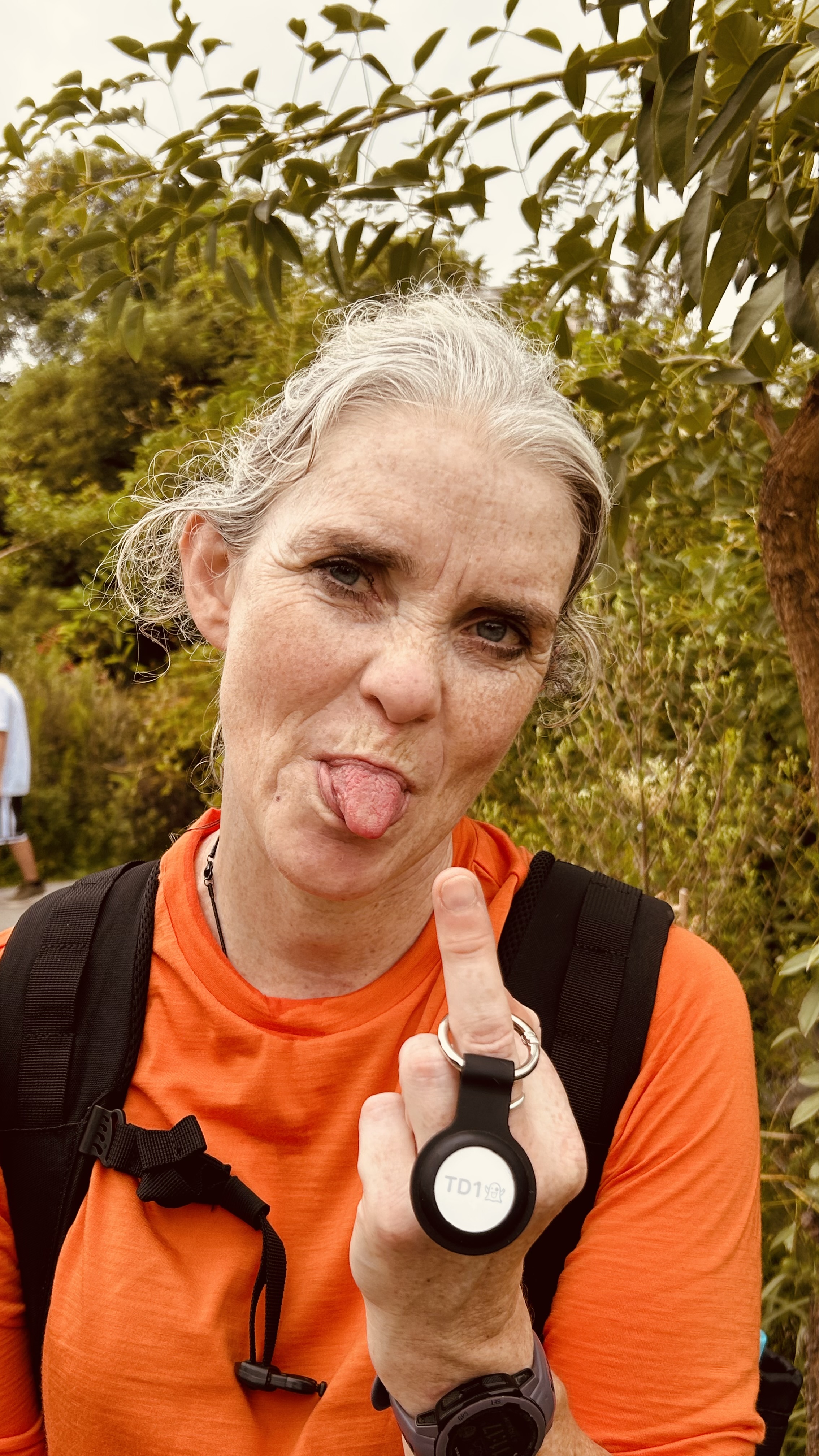
Kicking about waiting for car to talk us the airport for our final leg back to reality.
A baggage handler striking meant out fligh our to IAH has been delayed by several hours, awsome!! Why, that gives us enough room in our schedule to spend the day at the Eco Park, a former old school zoo, it has since been reinvented in a more positive vein. Lots to see and great day out, for $0.00. Yes folks, free. Not too many of those left these days.
I lost Tracy when I was faffing about with lenses, so she got air tagged when we meet up again.
Kicking about waiting for car to talk us the airport for our final leg back to reality.
Last edited:

- First Name
- Tracy
We spoke to Jeff before the meeting about the 14 day trip but we had discounted similar trips to that before so we declined. The ability to get to The Falklands and South Georgia were what attracted us as well as the possibility of diving Shag Rocks so we chose to defer to the next trips, dates permitting. Have a fabulous trip on your dash south!!
Tumblin' Dice
Tiger Shark
- First Name
- Kirk
We passed the Antarctic circle around 4:30
am this morning. We briefly anchored off Detaille Island during breakfast to assess conditions, which — with 30 - 40 knots winds and ~10 foot swells — were not favorable to get out in the zodiacs. We are now heading further south to look for a more protected bay.
Getting down to Antarctica from Ushuaia is a ~2.5 day proposition; at least for this ship. Our crossing wasn’t too bad. Quite a bit of rocking, but more side to side rather than large waves slamming against the bow.
The Ortelius is an expedition vessel with the highest ice rating, not a cruise ship. It was built in 1989 in Poland for the Russian Academy of Science and now flys a Dutch flag. Capacity is 161 people including staff and crew.
Seeing lots of ice flows and ice bergs now. A first for me. Some humpback whale sightings earlier, but I wasn’t quick enough to see those.
We expect to be able to go out on the zodiacs sometime later today.
am this morning. We briefly anchored off Detaille Island during breakfast to assess conditions, which — with 30 - 40 knots winds and ~10 foot swells — were not favorable to get out in the zodiacs. We are now heading further south to look for a more protected bay.
Getting down to Antarctica from Ushuaia is a ~2.5 day proposition; at least for this ship. Our crossing wasn’t too bad. Quite a bit of rocking, but more side to side rather than large waves slamming against the bow.
The Ortelius is an expedition vessel with the highest ice rating, not a cruise ship. It was built in 1989 in Poland for the Russian Academy of Science and now flys a Dutch flag. Capacity is 161 people including staff and crew.
Seeing lots of ice flows and ice bergs now. A first for me. Some humpback whale sightings earlier, but I wasn’t quick enough to see those.
We expect to be able to go out on the zodiacs sometime later today.
- First Name
- Simon
Day 10 or is it 11, not sure….
Following Ecopark, we repacked and got our ride across town to EZE, and were treated by semi-chaos with lots of long and illogical looking lines. A baggage handlers strike meant everything was in turmoil with many flights delayed or cancelled. But we got lucky. Given all the confusion, I walked over a United rep to check what queue we needed to be in. After checking our digital boarding passes, she ushered us past all the people, got our bag tags and lead it’s to their baggage staging area pending the handlers starting work at midnight. So checked in under 5 minutes, I’ll call that a win.
Flight was delayed a little longer so we finally got home about lunchtime and were created warmly by all the pups.
So, it didn’t turn out to the be adventure we had planned for, instead we had a fun week at the end of the world and trial run on the logistics for our next attempt.
We passed up a space on Ortelius which meant we didn’t make it down to Antarctica, but for me, the Falklands and South Georgia were, personally, a very important part of this trip for me and I so we will be back, for the big loop.
This is where Hollywood would insert the trailer for the sequel……
Between now and then (and always), be kind to the planet, it’s the only one we’ve got.
Following Ecopark, we repacked and got our ride across town to EZE, and were treated by semi-chaos with lots of long and illogical looking lines. A baggage handlers strike meant everything was in turmoil with many flights delayed or cancelled. But we got lucky. Given all the confusion, I walked over a United rep to check what queue we needed to be in. After checking our digital boarding passes, she ushered us past all the people, got our bag tags and lead it’s to their baggage staging area pending the handlers starting work at midnight. So checked in under 5 minutes, I’ll call that a win.
Flight was delayed a little longer so we finally got home about lunchtime and were created warmly by all the pups.
So, it didn’t turn out to the be adventure we had planned for, instead we had a fun week at the end of the world and trial run on the logistics for our next attempt.
We passed up a space on Ortelius which meant we didn’t make it down to Antarctica, but for me, the Falklands and South Georgia were, personally, a very important part of this trip for me and I so we will be back, for the big loop.
This is where Hollywood would insert the trailer for the sequel……
Between now and then (and always), be kind to the planet, it’s the only one we’ve got.
- First Name
- Tracy
This has been a very emotional few weeks. There was so much preparation and anticipation: it was the trip we always wanted and adding the potential of Shag Rocks was the icing on the cake. Saying no to any trip to the Antarctic as an alternative was not easy but we put aside emotions and the ‘we’re here anyway’ and looked at it rationally. We could have gone on the shorter trip and then rebooked Jeff’s next trip but getting two periods of extended time work in two years is asking a lot. We know that depending on the timing of the next expedition we may not be able to go but the potential to be part of it is enough. If we can’t go on that there is a similar itinerary Oceanwide have minus the Shag Rocks that ticks our most important boxes.
So for now, we are home and debriefing. Luggage logistics, clothing and equipment if we want to hike in Tierra del Fuego next time, cameras and equipment….. the list goes on.
We had the most amazing few days: a vacation that would make a lot of people’s top ten. So we will now concentrate on what we saw rather than missed and start the prep work all over again having even more time to make ourselves as useful as possible for the research projects on the next trip. Jeff has waited 20 years to explore Shag Rocks. No one else has tried in the intervening time: that tells you something about the remoteness and the true expedition nature of this trip. We can wait another 2 or 3!!
So for now, we are home and debriefing. Luggage logistics, clothing and equipment if we want to hike in Tierra del Fuego next time, cameras and equipment….. the list goes on.
We had the most amazing few days: a vacation that would make a lot of people’s top ten. So we will now concentrate on what we saw rather than missed and start the prep work all over again having even more time to make ourselves as useful as possible for the research projects on the next trip. Jeff has waited 20 years to explore Shag Rocks. No one else has tried in the intervening time: that tells you something about the remoteness and the true expedition nature of this trip. We can wait another 2 or 3!!
Attachments
Tumblin' Dice
Tiger Shark
- First Name
- Kirk
We hit pay dirt our first time out in the zodiacs a few days ago, with very up close encounters with some friendly and curious humpback whales. Close enough to smell their breath. They were spy hoping right next to the zodiacs, and rolling over for us showing their bellies.
We were at Stonington Island yesterday, which featured an old US and an old British base — both abandoned in the 1940s after WW II, with everything just as they left it. A lot of history behind the places we have stopped at.
Overnight we made it down to Lazarev Bay by the Wilkins Ice Shelf. Surrounded by thousands of icebergs. Beautiful weather. Just spectacular. No picture does this place justice.
A very dynamic environment, especially this time of year, with huge chunks of ice calving off walls of ice into the ocean.
We are going to try to make it further into the bay by some islands — rocky outcroppings — further than has been possible in the past due to all of the ice.
We were at Stonington Island yesterday, which featured an old US and an old British base — both abandoned in the 1940s after WW II, with everything just as they left it. A lot of history behind the places we have stopped at.
Overnight we made it down to Lazarev Bay by the Wilkins Ice Shelf. Surrounded by thousands of icebergs. Beautiful weather. Just spectacular. No picture does this place justice.
A very dynamic environment, especially this time of year, with huge chunks of ice calving off walls of ice into the ocean.
We are going to try to make it further into the bay by some islands — rocky outcroppings — further than has been possible in the past due to all of the ice.
Tumblin' Dice
Tiger Shark
- First Name
- Kirk
The mv Ortelius voyage made it as far south as 69 degrees and 49 minutes latitude.
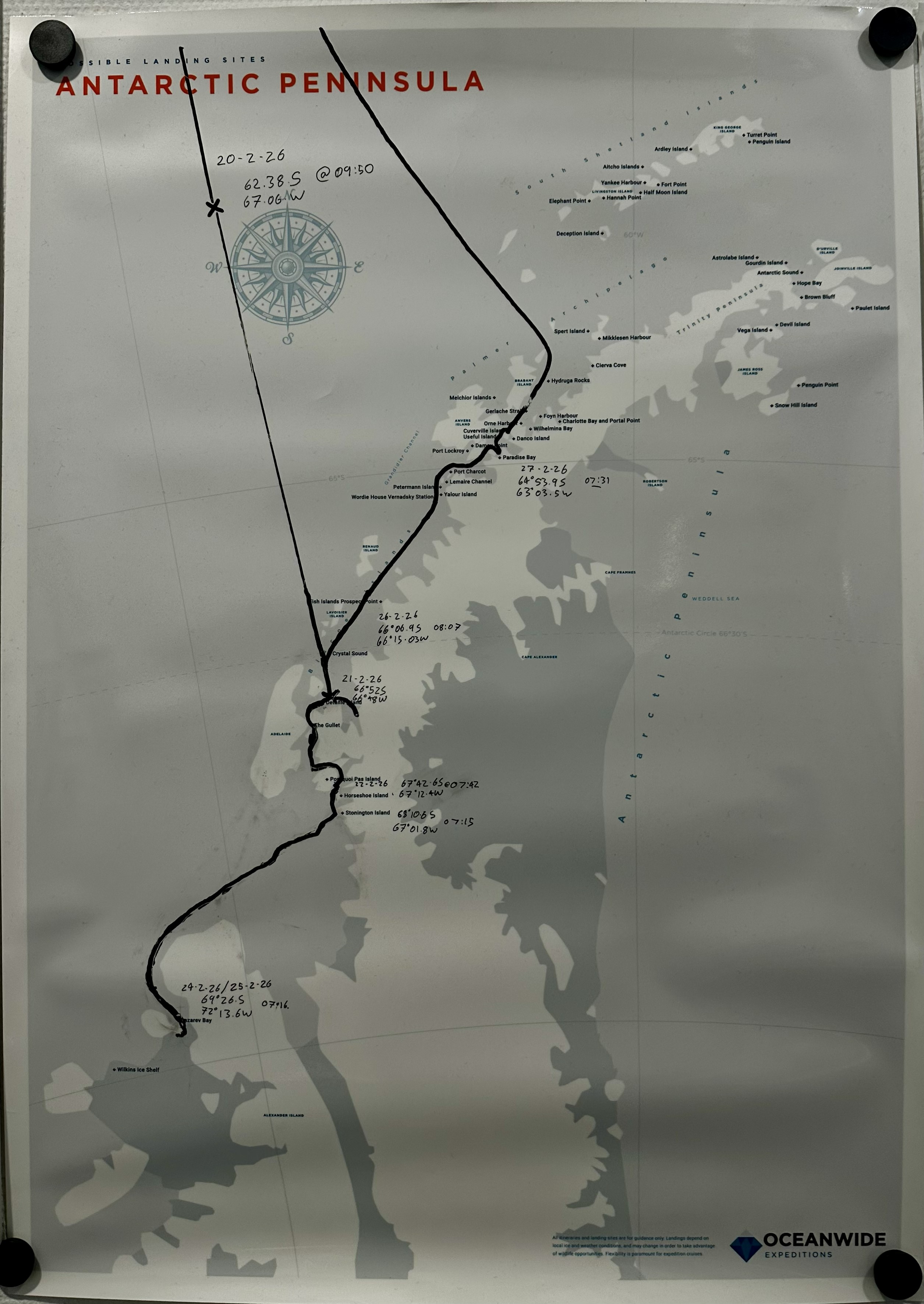
We took the zodiacs out early one morning in Lazarev Bay and headed south to find the remnants of the Wilkins Ice Shelf. Not all zodiacs were burning fuel at the same rate due to some not being able to ride the plane. As a result, after over 2 hours and the ice shelf visible in the distance, we had reached as far as we could go and still have enough fuel to return to the ship.
In January 2008 the ice shelf covered an area of approximately 5,300 square miles. However, by March a section measuring about 160 square miles had collapsed, leaving a thin bridge of continuous ice connecting the ice shelf to Charcot Island. The shallow mouth of the bay has left thousands of icebergs stranded, making Lazarev Bay a unique and special place. Waking up that morning to the glorious weather and icebergs as far as you could see in every direction is a memory I won't soon forget.
Some of the waters we traversed in that bay were unchartered, which called for a zodiac traveling ahead of the ship to determine the depth. That way of travel makes for slow going.
There are islands in that bay that were visited that don't exist on any map.
As far as the diving goes, we weren't diving any known sites. I don't think anyone has ever dove some or even all of those sites. Water temperature ranged from 32 - 36 degrees F and the water visibility was poor; most of the time less than 10 feet. That time of year (Austral summer), there is a lot of phytoplankton in the water, and maybe even more than usual this year. The air temperature never got below freezing, but the wind chill at times sure made it seem so.
All of the diving was off zodiacs without ladders. While we had experienced dive guides piloting the zodiacs, these were not guided dives. Some of the highlights included diving while a pod of humpback whales were close by -- at times within a few feet -- and diving an iceberg.
The scientific aspects of the expedition were deemed a success. We had the Collections Manager of Echinoderms for the Los Angeles Natural History Museum with us and she was able to take home 534 lots of specimens collected by the divers for further examination, with at least one new suspected species.
There were other interesting scientific projects running, involving microplastics and microfibers, a new underwater acoustic device, and low frequency radio communications.
I have more to say about this trip including the diving for those thinking about diving in Antarctica, but I just arrived back home earlier this morning after an overnight flight and reality intrudes. There will be a ship log released within the next week or two by Oceanwide Expeditions that will include a slide show and I'm not sure what else. I'll curate what they release along with pictures taken by myself and others in the group and post some of it up.
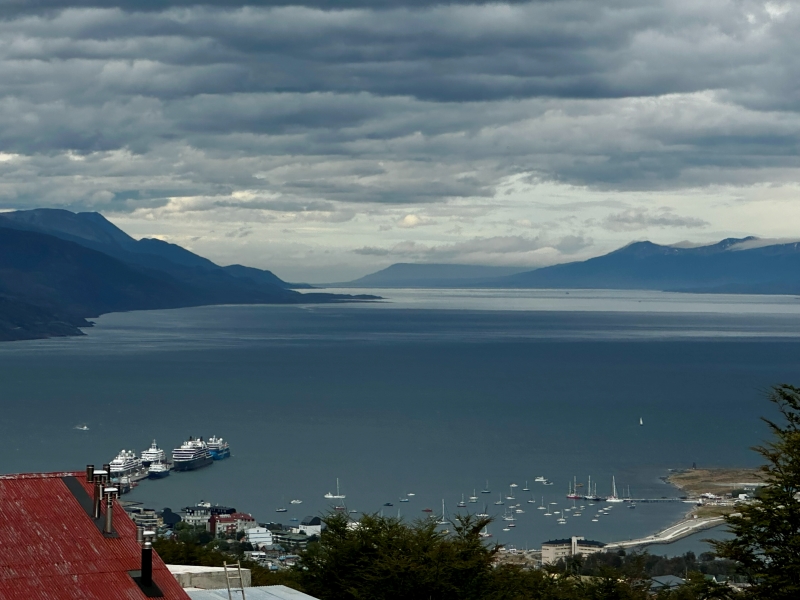
Where it all began: In Ushuaia at the "end of the world."
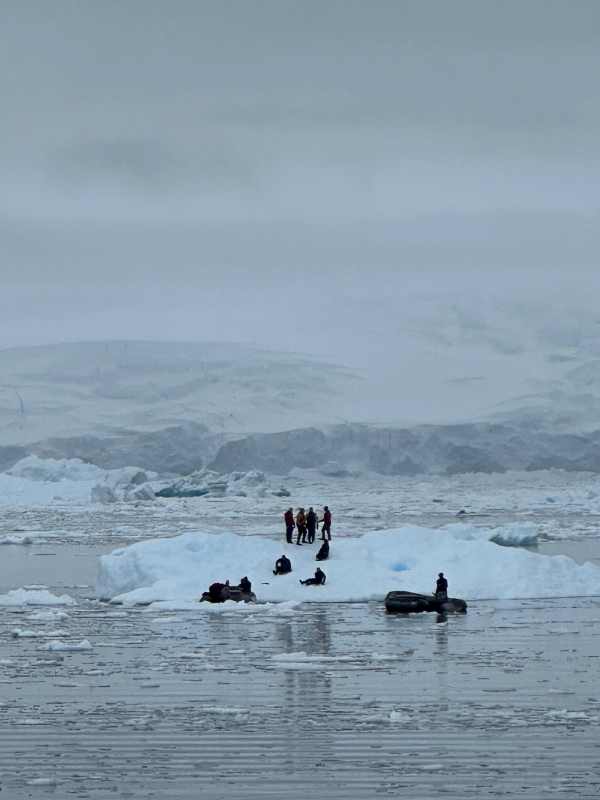
After the last dive, all of the divers climbed on top of an iceberg for group pictures. Credit Meganne.
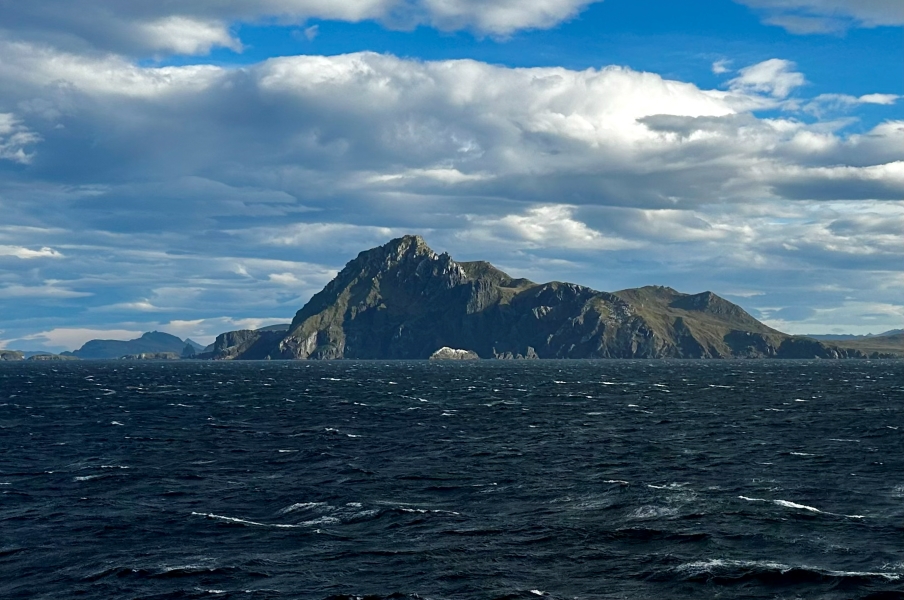
Passing Cape Horn, right before entering the Beagle Channel and heading back to Ushuaia.
We took the zodiacs out early one morning in Lazarev Bay and headed south to find the remnants of the Wilkins Ice Shelf. Not all zodiacs were burning fuel at the same rate due to some not being able to ride the plane. As a result, after over 2 hours and the ice shelf visible in the distance, we had reached as far as we could go and still have enough fuel to return to the ship.
In January 2008 the ice shelf covered an area of approximately 5,300 square miles. However, by March a section measuring about 160 square miles had collapsed, leaving a thin bridge of continuous ice connecting the ice shelf to Charcot Island. The shallow mouth of the bay has left thousands of icebergs stranded, making Lazarev Bay a unique and special place. Waking up that morning to the glorious weather and icebergs as far as you could see in every direction is a memory I won't soon forget.
Some of the waters we traversed in that bay were unchartered, which called for a zodiac traveling ahead of the ship to determine the depth. That way of travel makes for slow going.
There are islands in that bay that were visited that don't exist on any map.
As far as the diving goes, we weren't diving any known sites. I don't think anyone has ever dove some or even all of those sites. Water temperature ranged from 32 - 36 degrees F and the water visibility was poor; most of the time less than 10 feet. That time of year (Austral summer), there is a lot of phytoplankton in the water, and maybe even more than usual this year. The air temperature never got below freezing, but the wind chill at times sure made it seem so.
All of the diving was off zodiacs without ladders. While we had experienced dive guides piloting the zodiacs, these were not guided dives. Some of the highlights included diving while a pod of humpback whales were close by -- at times within a few feet -- and diving an iceberg.
The scientific aspects of the expedition were deemed a success. We had the Collections Manager of Echinoderms for the Los Angeles Natural History Museum with us and she was able to take home 534 lots of specimens collected by the divers for further examination, with at least one new suspected species.
There were other interesting scientific projects running, involving microplastics and microfibers, a new underwater acoustic device, and low frequency radio communications.
I have more to say about this trip including the diving for those thinking about diving in Antarctica, but I just arrived back home earlier this morning after an overnight flight and reality intrudes. There will be a ship log released within the next week or two by Oceanwide Expeditions that will include a slide show and I'm not sure what else. I'll curate what they release along with pictures taken by myself and others in the group and post some of it up.
Where it all began: In Ushuaia at the "end of the world."
After the last dive, all of the divers climbed on top of an iceberg for group pictures. Credit Meganne.
Passing Cape Horn, right before entering the Beagle Channel and heading back to Ushuaia.
Last edited:
Tumblin' Dice
Tiger Shark
- First Name
- Kirk
Sorry for the delayed follow-up. Been busy and distracted this past few weeks. Hope everyone is doing well.
I thought y'all might appreciate the trip log that Oceanwide Expeditions provided:
OTL30a26, trip log, Antarctica - Uncharted Islands of the Deep South
They did a nice job, with some cool pictures captured and some interesting information about the expedition.
A few words about the diving down in Antarctica. That sort of expedition diving is not for sissies. The water was obviously cold, and that time of year during the austral summer, the visibility can suck with all the phytoplankton in the water. There's no coddling of the divers like with ops that cater to recreational divers. The getting back on the Zodiac without a ladder can be challenging for some.
Don't go down there with gear you aren't familiar with, and ideally with gear that, aside from your dry suit, can be gotten into easily and relatively quickly on the Zodiac; ideally with minimal assistance from dive guides and other divers.
One of biggest problems seen with gear are with full face masks, which aren't recommended, unless you require the comms for some reason. They will let you wear them, but fair warning. I saw this myself with one of the divers, who after several botched dives ended up ditching his full face mask for a regular mask.
The other source of frequent problems are with dry glove systems. Leaks and getting the gloves on and off. One of the guides recommends thick wet gloves for short dives for this reason, although I think all of the divers including me were using dry gloves. I found a system that works really well for me: PSI Press Locks. No leaks. Very easy to get on and off by myself, especially with a little o-ring grease on the o-ring.
I thought y'all might appreciate the trip log that Oceanwide Expeditions provided:
OTL30a26, trip log, Antarctica - Uncharted Islands of the Deep South
They did a nice job, with some cool pictures captured and some interesting information about the expedition.
A few words about the diving down in Antarctica. That sort of expedition diving is not for sissies. The water was obviously cold, and that time of year during the austral summer, the visibility can suck with all the phytoplankton in the water. There's no coddling of the divers like with ops that cater to recreational divers. The getting back on the Zodiac without a ladder can be challenging for some.
Don't go down there with gear you aren't familiar with, and ideally with gear that, aside from your dry suit, can be gotten into easily and relatively quickly on the Zodiac; ideally with minimal assistance from dive guides and other divers.
One of biggest problems seen with gear are with full face masks, which aren't recommended, unless you require the comms for some reason. They will let you wear them, but fair warning. I saw this myself with one of the divers, who after several botched dives ended up ditching his full face mask for a regular mask.
The other source of frequent problems are with dry glove systems. Leaks and getting the gloves on and off. One of the guides recommends thick wet gloves for short dives for this reason, although I think all of the divers including me were using dry gloves. I found a system that works really well for me: PSI Press Locks. No leaks. Very easy to get on and off by myself, especially with a little o-ring grease on the o-ring.